What GSM actually tells you
GSM means grams per square metre. It describes the weight of the fabric, which in turn hints at body, opacity, drape and warmth. It does not describe the weave, the hand-feel or how the fabric performs during play.
Two 180 GSM fabrics can feel completely different: one may be a smooth interlock, the other a stretch knit or a pique. That is why the weight is always read together with the construction and the end use.
The ranges below reflect the styles in the current catalog. A specific build may sit outside them once the fabric is confirmed for your order.
Basketball: 190–220 GSM
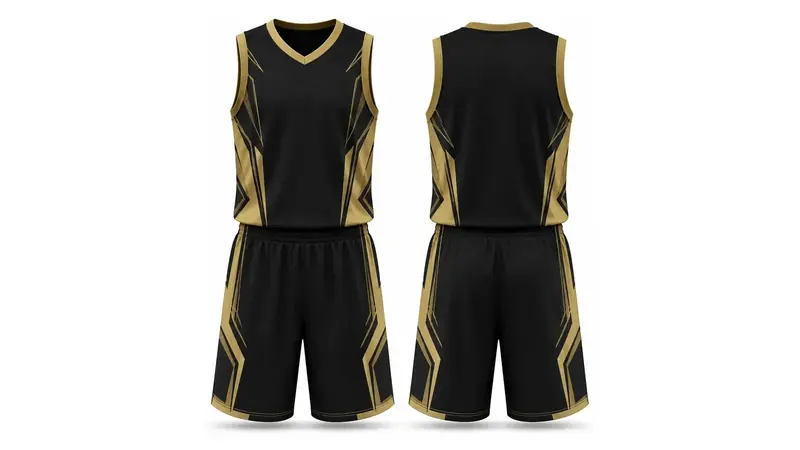
Basketball jerseys carry more structure: armholes, rib collars, tackle-twill numbers and contrast panel layouts. The range runs from a 190 GSM birdseye mesh to a 220 GSM jersey built for repeated wear.
Birdseye mesh gives breathability without losing shape, and the open structure keeps the jersey light on court. Matching shorts use their own construction, so the jersey GSM is not the whole story of a team set.
See the basketball jerseys category for the current builds.
Fishing: 260–320 GSM
Fishing clothes are outer layers, so the weight is there to hold a hood, a full zip, three zipped pockets and a bonded TPU membrane without collapsing.
Four-way stretch softshell at this weight gives wind resistance and a stable face for logos while still allowing movement when casting or driving a boat. Mesh underarm vents manage heat during active use.
See the fishing clothes category for the current jackets.
Golf: 160–200 GSM
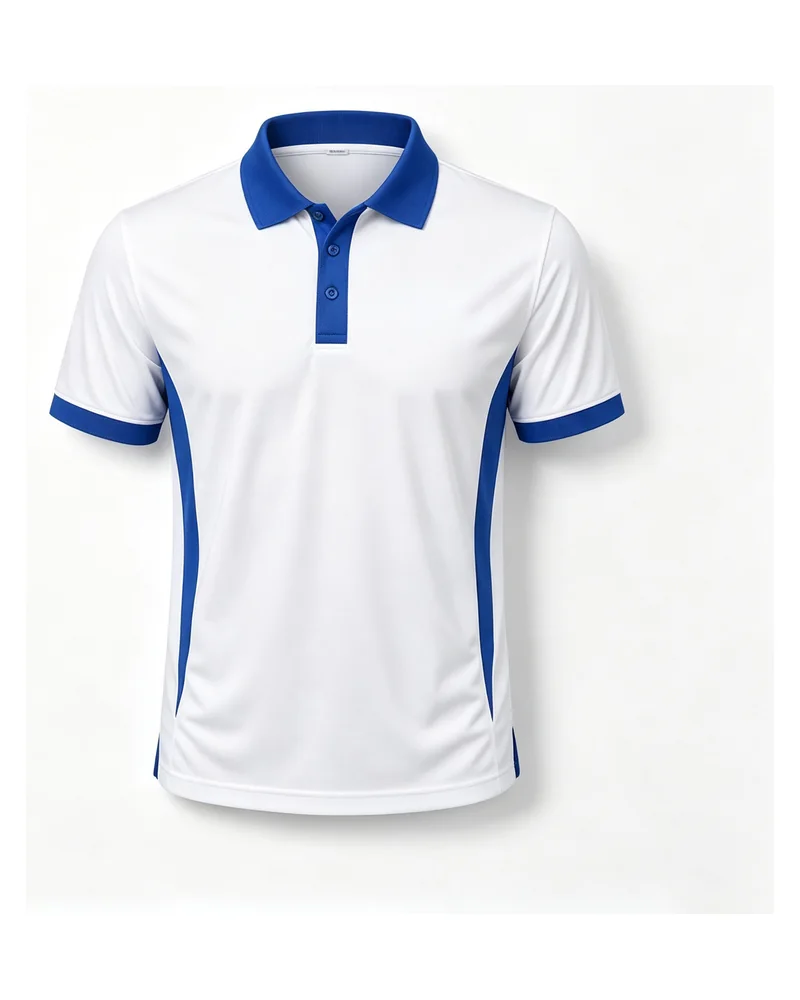
Golf polos sit in the middle: light enough to swing freely, structured enough to hold a flat-knit collar and a three-button placket through a full round.
Polyester-spandex pique at 160 to 200 GSM is the base for solid, colourblock, check and gradient styles. The knit matters as much as the weight — a pique and an interlock at the same GSM hang differently.
See the golf shirts category for the current polos.
Football and cycling: 140–180 and 130–170 GSM
Football jerseys run 140–180 GSM in quick-dry interlock. At this weight, mesh side panels and ventilation matter as much as the base fabric, and full sublimation can cover the whole garment without adding a printed layer.
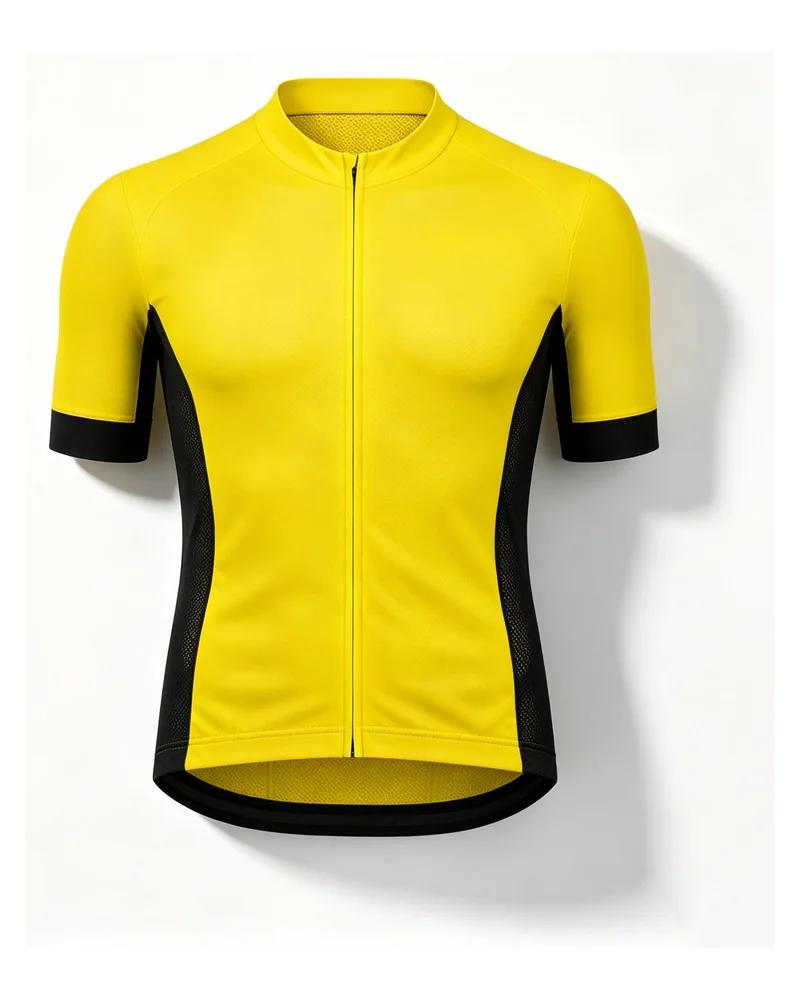
Cycling jerseys run lighter still at 130–170 GSM in polyester-elastane knit. The stretch is the point: it lets the jersey follow the riding position while a silicone gripper holds the hem and three rear pockets stay loaded without sagging.
See the football jerseys and cycling jerseys categories.
How to specify a weight
Send the sport, the garment type, the fit and the decoration with your enquiry. From that, a weight and construction can be proposed and sampled.
If you already have a fabric reference, send the swatch or the exact specification. If you only have a reference garment, send photos and describe how it should feel — soft, structured, stretchy, matte or shiny.
The approved swatch becomes the bulk reference for shade, weight and hand-feel. A weight change after approval is a new sample, not a production adjustment.